


Selecteer hydraulische filterelementen door micron-classificatie, druk, stroom, media, afdichtingen en verbindingsafmetingen met deze praktische B2B-checklist.
Invoering
Het selecteren van een hydraulisch filterelement vereist meer dan het aanpassen van een onderdeelnummer of het meten van de ruimte binnen een behuizing. Het element moet het hydraulische systeem beschermen op het vereiste reinheidsniveau, waarbij de nodige doorstroming, tegen differentiële druk, en blijft compatibel met de vloeistof, afdichtingen en bedrijfstemperatuur.
Een filter dat te beperkend kan leiden tot drukverlies, cavitatie, of vroegtijdige bypass. Een te open filter kan schadelijke deeltjes laten circuleren door pompen, kleppen en actuatoren. De juiste keuze balanceert bescherming, stroom, levensduur, en onderhoud eisen.
Deze gids biedt een praktisch selectiekader voor hydraulische filterelementen. Het is bedoeld voor onderhoudstechnici, eigenaars van apparatuur en inkoopteams die technische informatie moeten organiseren alvorens een offerte of vervanging te vragen.
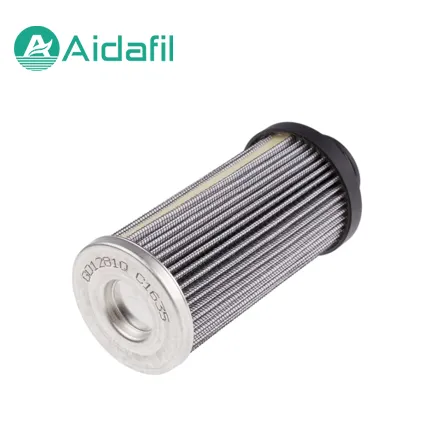
Start met de filterlocatie en systeemfunctie
De eerste vraag is waar het filter is geïnstalleerd. Een druk-line filter, return-line filter, zuignap, offline filter en case-drain filter zien verschillende stroomomstandigheden en drukprofielen. Dezelfde micron-rating is mogelijk niet geschikt voor elke locatie.
Registreer het circuit en het onderdeel dat wordt beschermd. Een hogedrukpomp, servoklep, proportionele klep of kritische actuator kan een andere reinheid doel van een eenvoudige terugschakeling vereisen. Merk op of het filter continu of alleen tijdens een deel van de machinecyclus werkt.
Bevestig ook het type vloeistof, normale bedrijfstemperatuur, viscositeit, en of het systeem gebruik maakt van minerale olie, biologisch afbreekbare vloeistof, waterglycol, of een ander medium. De compatibiliteit van het zegel en de media moet worden gecontroleerd tegen de werkelijke vloeistof.
Definieer de vereiste reinheid doel
Hydraulische componenten variëren qua gevoeligheid voor verontreiniging. Het beoogde reinheidsniveau moet afkomstig zijn van de aanbeveling van de fabrikant van de apparatuur of een gedocumenteerde betrouwbaarheidsvereiste. Kies niet voor een filtratie rating alleen omdat het de beste beschikbaar is.
Bij de herziening van een filterspecificatie moet een onderscheid worden gemaakt tussen nominale en absolute ratings. Een nominale waardering beschrijft een algemeen filtratiebereik, terwijl een absolute waardering is gebonden aan een gedefinieerde deeltjesgrootte en testmethode. Als er een bètaverhouding is, bevestig dan de deeltjesgrootte en testnorm die ermee gepaard gaat.
Een fijnere element kan de verwijdering van deeltjes verbeteren, maar het kan ook de drukdaling verhogen en de levensduur verminderen. Bij de juiste selectie wordt rekening gehouden met de verontreinigingsproductiesnelheid van het systeem, aanvaardbare drukdaling en onderhoudsinterval.
Bevestig stroom, druk en differentieel druk
Registreer de normale debiet en de maximale stroom die kan optreden tijdens het opstarten, koud-olie bedrijf, of voorbijgaande omstandigheden. Het filterelement moet de vereiste stroom verwerken zonder overmatig drukverlies.
Bevestig het vermogen van de behuizingsdruk en de instorting of differentiële druk van het element. Een druklijnelement moet bestand zijn tegen de differentiële druk die zich kan ontwikkelen wanneer het element belast. Een terugkeer-lijn element kan verschillende omstandigheden zien, maar vereist nog steeds een geschikte bypass en instorting rating.
Gebruik de maximale druk van het systeem niet als de differentiële druk van het element. Dit zijn verschillende waarden. Controleer de producttekening en de eisen voor de assemblage van het filter.
Selecteer de Filtration Media
Hydraulische filtermedia zijn beschikbaar in verschillende constructies. Elk heeft een plaats afhankelijk van de toepassing.
Cellulose Media
Cellulose media are widely used in general hydraulic filtration. They can provide efficient particle removal and are often cost-effective for routine service. Their suitability depends on the fluid, temperature, and required service life.
Synthetic Media
Synthetic media can offer a different balance of efficiency, pressure drop, and contaminant holding capacity. They may be selected when the application requires stable performance or a longer service interval. Confirm the exact media specification with the supplier.
Stainless Steel Mesh and Sintered Media
Metal media are cleanable in some applications and can be suitable for high-temperature or chemically demanding conditions. Their filtration behavior differs from disposable pleated media, so the selection should consider pore structure, cleaning method, and acceptable particle retention.
Choose the Seal Material
The seal material must be compatible with the hydraulic fluid and operating temperature. Common seal materials include NBR, FKM, EPDM, PTFE, and silicone, but the correct choice depends on the fluid and the manufacturer's recommendation.
NBR is commonly used with mineral oil, while FKM may be selected for higher temperatures or certain fluids. EPDM can be suitable for some water-based fluids but may not be compatible with mineral oil. Do not change seal material without checking compatibility.
Record whether the element uses O-rings, molded seals, end-cap seals, or a combination. A compatible filter element must seal correctly at the housing interface, not just fit the diameter.
Confirm Dimensions and Connection Details
Measure or obtain the element's height, outside diameter, inside diameter, thread, and connection style. Confirm the sealing surfaces and center-tube interface. If the element is for an existing housing, compare the new specification with the housing drawing rather than a single part number.
Check for features such as locating tabs, bypass valves, anti-drain devices, and orientation. Some filters look similar but cannot be installed in the correct direction or cannot seal against the housing.
Consider Contamination and Maintenance Conditions
The operating environment affects filter life. Dust, moisture, high temperature, cold starts, and frequent pressure cycles can change the rate at which the element loads. A filter that performs well in a clean test bench may have a short service life in a foundry, mining site, or outdoor machine.
Review the maintenance interval and the available differential-pressure indicator. If the element is difficult to access, select a configuration that allows safe and practical replacement. Consider whether the system can be isolated and whether the replacement will introduce contamination.
A Practical Selection Checklist
.Identify the filter location and protected components.
.Confirm the fluid type, viscosity, and operating temperature.
.Record flow and pressure conditions, including cold starts.
.Define the required filtration rating and cleanliness target.
.Select a suitable media construction.
.Confirm seal compatibility.
.Check height, diameters, thread, and sealing interface.
.Verify collapse pressure, bypass arrangement, and differential-pressure limits.
.Review maintenance access and replacement interval.
.Confirm the final data with a supplier or equipment drawing.
Common Selection Mistakes
A frequent mistake is selecting by outer dimensions alone. Another is treating a nominal micron rating as if it were an absolute rating. Some buyers also forget that the filter element, not just the housing, must withstand the differential pressure generated during loading.
Mixing seal materials without checking fluid compatibility can cause swelling, hardening, or leakage. Using a filter with the wrong collapse rating can lead to media damage and uncontrolled bypass. Finally, comparing products only by price can hide differences in media area, efficiency, and service life.


